Share via text

What is MDMA? (Ecstasy, Molly, Mandy, Pills, XTC, Beans, or Doves)

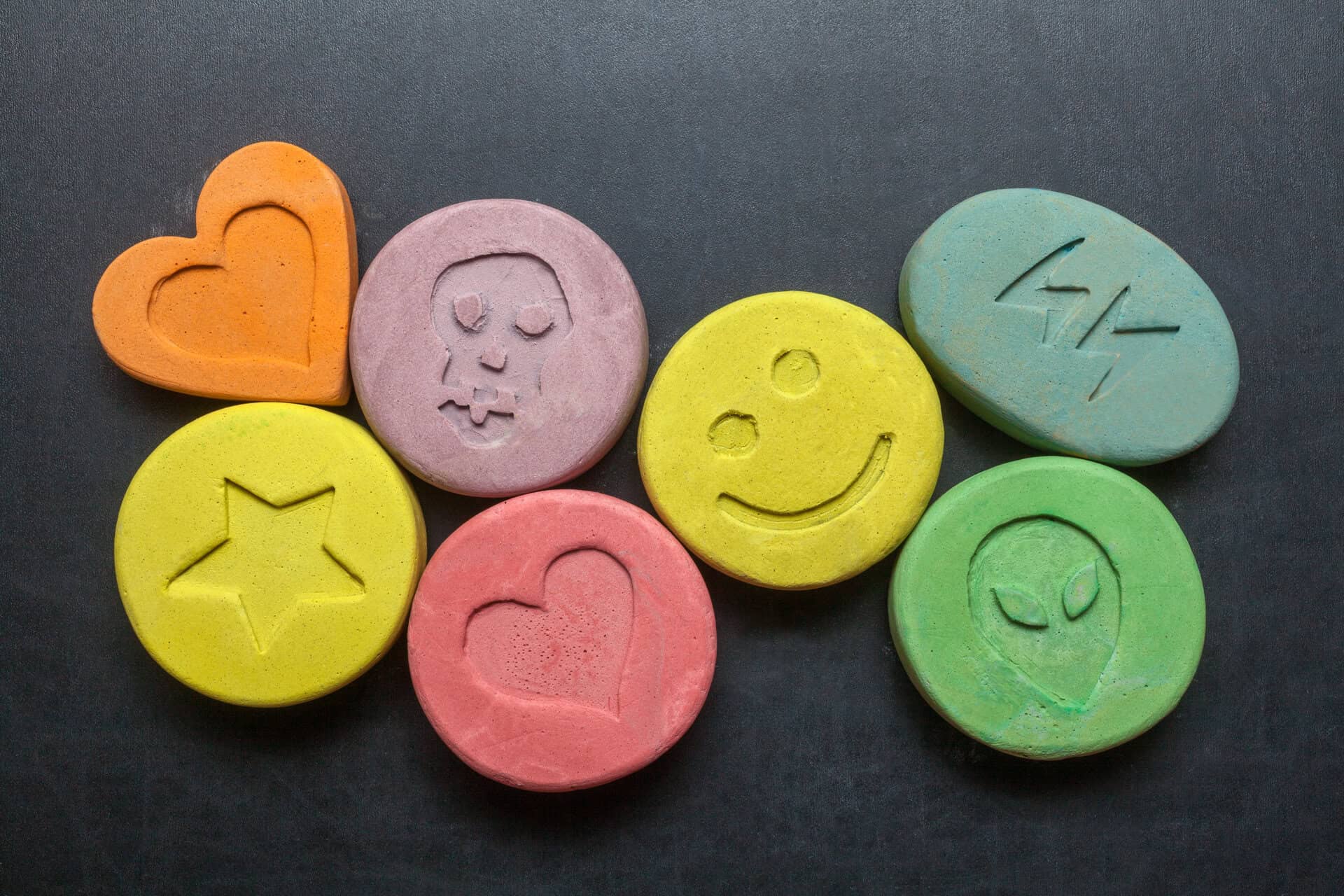
MDMA is a Class A psychoactive drug (3,4-methylenedioxy-methamphetamine) most often known as Ecstasy or E. MDMA can be found as pills, capsules, or a white powder. The pills come in different colours and often have logos or symbols on them. It is also sometimes dabbed on gums or snorted or made into liquid form.
How can MDMA make someone feel?
MDMA is a psychedelic stimulant that can make people feel more energetic, social, and empathetic. It’s usually taken for the euphoric “high” it produces which may make someone feel happy, awake, or more connected to others.
However, someone may also experience negative feelings of confusion, panic attacks, memory loss and anxiety and paranoia. The effects usually begin 30 minutes after taking and can last 3–6 hours, followed by a gradual comedown.

Short-term physical side effects can include:

  • dilated pupils
  • a tingling feeling
  • tightening of the jaw muscles
  • raised body temperature
  • increased heart rate


MDMA and Risks

One of the main issues with MDMA is the strength and unpredictability of the product. Testing by The Loop is 2025 at festivals found that 1 in 5 pills were three times the typical strength, hence their advice to anyone using is #takeaquartersipwater. Everyone’s body reacts differently to MDMA, but research shows that women often feel the effects more strongly. This is because:

  • Women usually have less body water than men, so the same amount of MDMA can lead to higher levels in the blood making it feel much stronger and last longer.
  • The hormones oestrogen and progesterone can change how MDMA reacts. Near ovulation, a person may be more sensitive to the drug, leading to stronger highs, but also more chance of overheating, dehydration, or mood crashes later.

MDMA changes the way the body controls water and salt. This can lead to someone being more likely to experience feeling sick or dizzy, anxiety or panic, overheating, dehydration OR hyponatremia (low salt levels from drinking too much water).
Drinking water is important, but too much can also be dangerous. MDMA/Ecstasy makes the body hold on to fluid, so drinking large amounts too fast can affect the body’s salt balance which can be as dangerous as not drinking enough water. In the worst cases, this can lead to swelling of the brain and death.
MDMA can dangerously raise body temperature, especially in hot clubs or while dancing, potentially leading to heatstroke, heart failure, or dehydration.
MDMA can put strain on your liver, kidneys, and heart. Some people also notice they get colds or sore throats more often after using it.
The strength and unpredictability of dose are the greatest risk for MDMA as well as overheating and strain on the heart. However, dealers may mix drugs with cheaper, more dangerous substances which sometimes contain no MDMA at all, increasing harm and unpredictability.
Although deaths are rare, people do die from ecstasy-related causes each year in the UK.

Mental Health and MDMA


There is evidence to show that using ecstasy often or over a long time can affect mood and memory. Some people feel low, anxious, or find it harder to remember things after using.
MDMA affects levels of the brain chemicals serotonin, dopamine, and norepinephrine which influence mood, sleep, appetite, and emotions.

  • Harm reduction – Reducing the Risks
    Harm reduction advice is to #takeaquartersipwater and #staylowandgoslow - and to wait around 2 hours to let it kick in before taking any more.
  • Stay hydrated. Drink enough water to prevent dehydration but avoid drinking too much water too quickly. Sip no more than one pint of water over an hour.
    Know the signs of overheating. Being aware of symptoms like feeling too hot, dizzy or nauseous, and taking steps to cool down.
  • Take breaks. MDMA raises body temperature. If dancing or being active, advice is to take breaks to cool down and rest.
  • Avoid mixing with other substances. Mixing MDMA with other drugs greatly increases the risk of severe and potentially life-threatening effects. For instance, combining MDMA with alcohol can worsen dehydration and overheating. When mixed with stimulants like cocaine or amphetamines, it can put a strain on the heart and dangerously raise blood pressure. Using MDMA alongside depressants, such as benzodiazepines or opioids, can hide signs of overdose or cause serious breathing problems. Cannabis can unpredictably change ecstasy’s effects, increasing feelings of anxiety, paranoia, or confusion. Overall, using multiple drugs with MDMA increases the risks of unpredictable reactions such as seizures, organ failure, and death.
  • Stay with trusted friends, they can seek help if someone has taken too much or is unwell.
  • Don’t be afraid to call for help. It is not illegal for someone to have drugs in their blood stream, it is the selling, giving or distribution of drugs that is illegal. Always seek help if concerned and put them in the recovery position and stay with them.

Signs of MDMA Overdose


If someone has taken MDMA and shows any of the following signs, get medical help immediately and call 999 or 111 for urgent help

  • Anxiety, panic, or hallucinations
  • Chest pain or fast heartbeatFainting or loss of consciousness
  • High body temperature or sweating
  • Seizures or severe agitation.

MDMA Withdrawal

After using, people may experience:

  • Low mood or depression
  • Anxiety or paranoia
  • Fatigue or trouble sleeping
  • Cravings and poor concentration
  • Loss of appetite or memory issues.
    These symptoms can last for several days. Rest and hydration may help mitigate come down.
The Law
  • MDMA/Ecstasy is an illegal, Class A controlled drug. Buying, selling, or sharing ecstasy is a criminal offence with serious penalties.
  • Possession can carry a maximum sentence of 7 years imprisonment, a fine, or both.
  • Possession With Intent To Supply can carry a maximum sentence of life imprisonment, a fine, or both.
  • Supply (including being concerned in supply, conspiracy to supply, aggravated supply and offer to supply) can carry a maximum sentence of life imprisonment, a fine, or both.
  • Production can carry a maximum sentence of life imprisonment, a fine, or both.


Download our information sheet

Where to Go for Help and Support


NHS 111 offers support on all issues including drugs and alcohol.
Know The Score has a live chat function where you can ask questions or ask for help knowthescore.info/help-support
Frank talktofrank.com
The Mix themix.org.uk
Crew 2000 crew.scot